
Table of Contents
- Why Credit Report Monitoring Matters for Your Financial Health
- How to Dispute Credit Report Errors and Reclaim Accuracy
- Best Free Credit Monitoring Tools and How to Use Them
- How Often to Check Your Credit Reports and What to Look For
Last Updated: August 14, 2026
Why Credit Report Monitoring Matters for Your Financial Health
Your credit report determines whether you qualify for a mortgage, what interest rate you’ll pay, and sometimes whether employers will hire you. Yet most people never look at it until something goes wrong.
Credit report monitoring means regularly reviewing your credit file to catch errors, spot fraud, and track your progress toward financial goals. The real problem is that most people treat it as a one-time task instead of an ongoing habit. Your credit profile changes constantly, new accounts appear, old debts age off, errors creep in. Without regular attention, you’re flying blind.
At Honore Credit, we’ve seen how transformative monitoring becomes when paired with action. Monitoring isn’t just about defense, it’s about taking control of your financial narrative.
This guide walks you through the essentials: how to dispute errors, where to find free monitoring tools, and how often you actually need to check.
How to Dispute Credit Report Errors and Reclaim Accuracy
Errors on your credit report are more common than most people realize. A missed payment that wasn’t yours, an account opened in your name, or a balance reported incorrectly can tank your score and cost you thousands in higher interest rates.

Start by requesting your free annual credit report from AnnualCreditReport.com, the official government source. You’re entitled to one free report per year from each of the three major bureaus: Equifax, Experian, and TransUnion. Review each carefully for accounts you don’t recognize, incorrect balances, wrong payment histories, and duplicate entries.
Once you’ve found an error, the Fair Credit Reporting Act gives you the right to dispute inaccurate information directly with the credit bureau. File a dispute online, by mail, or by phone. Be specific: don’t just say "this is incorrect", explain exactly why and what the correct information should be.
The bureau must investigate within 30 days, contacting the creditor to verify the information. If the creditor can’t verify it within 30 days, the bureau must delete it. You can also dispute errors directly with the creditor who reported them by sending a written letter, this often gets faster results.
If the bureau refuses to remove an error after your dispute, you have the right to add a statement to your credit report explaining your side.
After 30 days, request your credit report again to verify the dispute was resolved. Errors sometimes reappear. If they do, dispute again immediately.
Best Free Credit Monitoring Tools and How to Use Them
You don’t need to pay for credit monitoring. The government and private companies offer free options that cover the essentials.
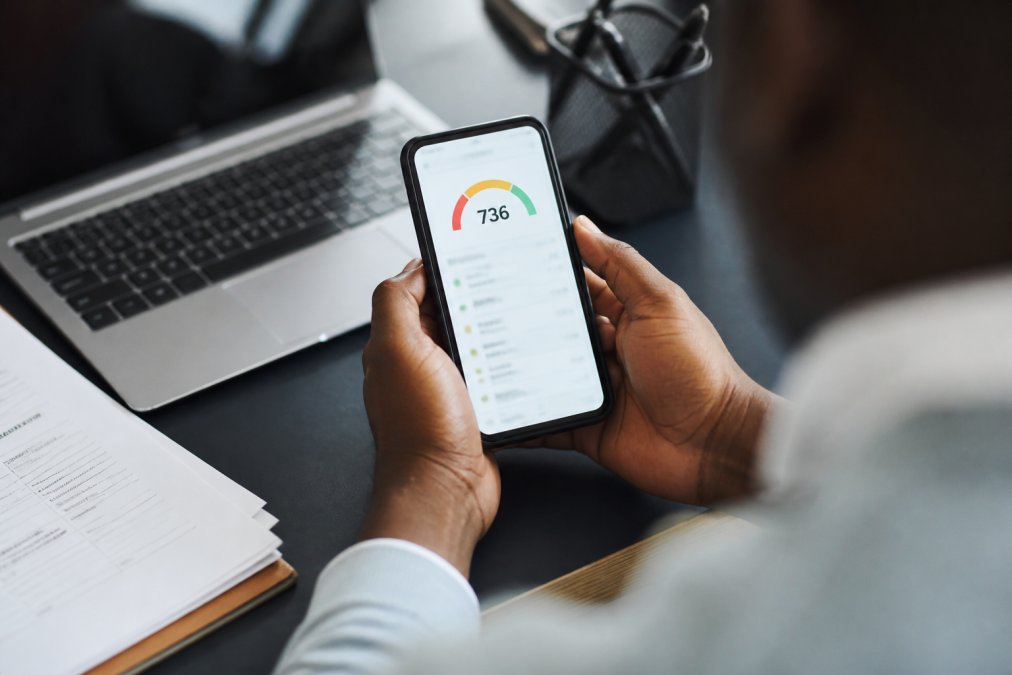
AnnualCreditReport.com remains your most reliable free source. You get one complete credit report per bureau annually. Some people stagger their requests, pulling one report every four months from a different bureau for continuous monitoring.
Credit Karma and Credit Sesame offer free credit monitoring with real-time alerts. They track your credit score, show you factors affecting it, and notify you of new accounts or inquiries. Both pull your score from at least one of the three bureaus.
Experian’s free service gives you access to your Experian credit score and report updates, showing when new accounts are opened and how your score changes. Equifax and TransUnion offer similar free monitoring through their websites.
The key is consistency. Pick one or two tools and check them monthly.
| Tool | Cost | What You Get | Best For |
|---|---|---|---|
| AnnualCreditReport.com | Free | Full reports from all 3 bureaus (1x/year each) | Comprehensive annual review |
| Credit Karma | Free | Score tracking, alerts, credit education | Ongoing monitoring with alerts |
| Credit Sesame | Free | Score, monitoring, identity theft protection trial | Score tracking and financial wellness |
| Experian | Free | Experian score and report updates | Experian-specific monitoring |
Free monitoring is sufficient for most people. You don’t need to pay for what the government already provides.
How Often to Check Your Credit Reports and What to Look For
Check monthly if you’re rebuilding credit, applying for a loan soon, or have experienced identity theft. If your credit is stable, quarterly or annually works.
When you check, focus on these items:
Account accuracy. Verify every account listed is actually yours. Look for unfamiliar creditors, closed accounts still showing as open, or accounts in collections you didn’t know about.
Payment history. Check that payments are reported correctly. A single missed payment can stay on your report for seven years. Payment history accounts for about 35% of your credit score.
Credit inquiries. Hard inquiries should match your applications. Too many inquiries in a short time can lower your score. Unauthorized inquiries are a red flag for fraud.
Balances and credit use. Your reported balances should match what you owe. Credit use accounts for about 30% of your score, so accuracy matters.
Negative items. Collections accounts, charge-offs, and late payments should show accurate dates. Verify the timeline is correct.
Dispute errors immediately. Don’t wait, errors compound over time and cause increasing damage to your score.
If you see accounts you absolutely did not open, contact the creditor immediately and file a fraud claim. Then file a report with the Federal Trade Commission at [IdentityTheft.gov, the official government identity theft resource](https://www.identitytheft.gov/form/).
Credit report monitoring isn’t a luxury, it’s a necessity. Your credit profile directly affects your ability to buy a home, start a business, or secure favorable interest rates. Regular monitoring catches errors before they damage your score, spots fraud early, and keeps you informed about your financial health.
Free resources from the government and established companies give you everything you need. The real work is consistency, checking regularly, disputing errors promptly, and treating your credit report as a living document that requires attention.
If you’re serious about reclaiming financial freedom and securing the credit you deserve, Honore Credit can help. We meticulously examine your reports for inaccuracies, advocate for accurate representation on your behalf, and provide ongoing monitoring and updates to keep you informed. Our Credit Approval Plan offers tailored guidance to help you understand your credit profile and take concrete steps toward your financial goals. Get started with Honore Credit and take control of your financial future.
Frequently Asked Questions
How often should you check your credit report for financial health?
Check your credit report at least once per year, though quarterly monitoring is ideal for financial wellness. Federal law entitles you to one free annual credit report from each of the three major bureaus. If you're actively working to improve your credit or suspect identity theft, check more frequently. Real-time credit monitoring services can alert you to changes immediately, helping you catch errors and suspicious activity faster.
What should you look for when reviewing your credit report for errors?
Review your personal information for accuracy, verify all listed accounts belong to you, check payment history for errors, and look for duplicate entries or accounts you didn't open. Common errors include late payments marked incorrectly, accounts listed twice, or unauthorized inquiries. Dispute any inaccuracies with the credit bureau in writing within 30 days of discovery. Correcting errors can significantly improve your credit score and financial profile.
Does checking your own credit report hurt your score?
No. Checking your own credit report is a soft inquiry and does not affect your credit score. Only hard inquiries from lenders reviewing your credit for new credit applications impact your score. Monitoring your credit report regularly is essential for financial wellness and carries no penalty.
What are the primary benefits of credit monitoring for identity theft protection?
Credit monitoring alerts you to unauthorized accounts opened in your name, suspicious inquiries, and account changes you didn't authorize. Early detection of identity theft allows you to dispute fraudulent accounts quickly, limiting damage to your credit history and financial health. Many monitoring services also offer identity theft insurance and recovery support to help restore your creditworthiness and financial stability.
This article was written using GrandRanker