
Table of Contents
- Common Credit Report Errors to Look For
- How to Identify and Dispute Inaccurate Information
- How Long Does a Credit Dispute Take
- What Happens After Investigation and Next Steps
Last Updated: August 18, 2026
Common Credit Report Errors to Look For
Credit report errors are more common than many realize and range from minor mistakes to serious misrepresentations that damage your financial future. The most frequent errors include personal information mistakes (incorrect names, addresses, or Social Security numbers), account errors (wrong balances, incorrect payment history, fraudulent accounts), public record errors (inaccurate tax liens or judgments), and identity theft. A single late payment can lower your score by 100 points or more, making early detection critical.
Pull your credit report from all three major credit bureaus (Equifax, Experian, and TransUnion) at least annually. You’re entitled to one free report per bureau each year at annualcreditreport.com. Checking all three separately is crucial because errors may appear on one bureau’s file but not another’s.
How to Identify and Dispute Inaccurate Information
Once you’ve spotted errors, gather supporting documentation before disputing. Collect bank statements, canceled checks, or payment confirmations for disputed late payments. For accounts that aren’t yours, document when you first noticed them and provide evidence of fraud.

The Fair Credit Reporting Act gives you the right to dispute inaccurate information directly with the credit reporting agency. File online, by phone, or by certified mail with return receipt (recommended for documentation). Provide your personal identification, a clear description of the error, and copies of supporting documentation. Be specific about what’s wrong and why, don’t just say "this account is wrong," explain which details are inaccurate and provide evidence. The credit bureau will then contact the data furnisher to verify accuracy.
Don’t assume the credit bureau will fix errors without your evidence. Many disputes are rejected because consumers don’t provide adequate documentation. The burden is on you to prove the information is inaccurate.
How Long Does a Credit Dispute Take
Under the Fair Credit Reporting Act, a credit reporting agency must investigate your dispute within 30 days of receiving it. During this period, the bureau contacts the data furnisher to verify the information. If the bureau cannot verify the information within 30 days, they must delete it from your credit file.
In practice, most disputes resolve within 30 to 45 days, though complex cases or those involving identity theft may take longer. Mark your calendar 30 days from submission and follow up if you haven’t heard back by day 35.
If a creditor can’t prove an account is yours or that the information is accurate within 30 days, the law requires removal.
What Happens After Investigation and Next Steps
After investigation, you’ll receive written notice of the results explaining what was investigated and what action was taken.
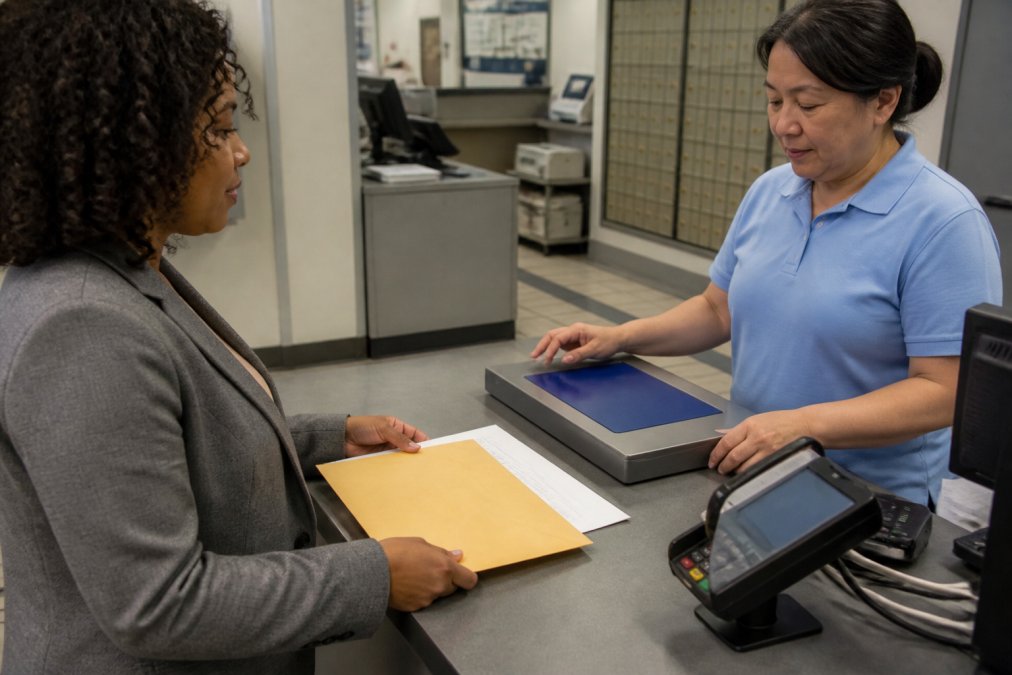
If the bureau determines the information was inaccurate, it will delete or correct the account and send updated reports to anyone who received your report in the past six months for employment purposes, or within two years for other purposes. If the investigation confirms accuracy, you can request a consumer statement explaining your dispute or dispute directly with the data furnisher.
For identity theft disputes, file a report with the Federal Trade Commission to obtain an identity theft report, which provides additional protections. You can also request a fraud alert or security freeze on your credit file.
Monitor your credit report 30 days after the bureau notifies you of results. If the error reappears, file another dispute and reference your previous case number. Professional advocates can handle follow-up disputes on your behalf.
Fixing credit score errors takes persistence, but the payoff is substantial. Removing inaccurate information can improve your score, lower interest rates, and open doors to credit you’ve been denied. Start with your free annual credit reports, identify errors, and take action today. The FTC’s guide to disputing credit report errors provides additional resources, and services like Honore Credit can advocate on your behalf to ensure your credit file reflects accurate information.
Frequently Asked Questions
What are the most common errors on a credit report?
Common credit report errors include incorrect account status (showing an account as open when it's closed), duplicate accounts, wrong payment history, unauthorized accounts from identity theft, and incorrect personal information. These inaccuracies can damage your credit score and affect your ability to qualify for loans. Review your credit file regularly to catch these mistakes early and dispute them with the credit reporting agency.
How long does a credit dispute take to resolve?
Under the Fair Credit Reporting Act, the credit reporting agency has 30 days to reinvestigate your dispute from the date they receive your written notice. If the data furnisher (creditor) confirms the information is accurate, the agency must notify you within five business days. The investigation period typically takes 30-45 days total. However, complex disputes involving identity theft may take longer depending on how quickly the creditor responds.
Can I dispute credit report errors myself, or do I need professional help?
You can dispute errors yourself by contacting the credit bureau directly with supporting documentation and a dispute letter. However, many consumers find the process time-consuming and face resistance from credit bureaus. Professional credit repair services like Honore Credit can advocate on your behalf, handle the reinvestigation process, and escalate denied disputes. The choice depends on your comfort level with the process and how quickly you need results.
What should I include in my dispute letter?
Your dispute letter should include your name, address, account number (if applicable), a clear description of the error, why you believe it's inaccurate, and copies of supporting documentation. Send it certified mail with return receipt requested to create proof of delivery. Include your personal identification and reference any previous correspondence. A credit report dispute letter template can help ensure you include all required elements for the credit bureau to properly investigate your claim.
This article was written using GrandRanker