
Table of Contents
- How Credit Monitoring Works and Why Speed Matters
- Credit Repair vs Credit Monitoring: Which Delivers Faster Results?
- How to Increase Credit Score Fast With Disputing Credit Report Inaccuracies
- DIY Monitoring vs Automated Services
- What You Get From Paid Services
- When Monitoring Is Not Worth It
- Frequently Asked Questions
Last Updated: September 14, 2026
How Credit Monitoring Works and Why Speed Matters
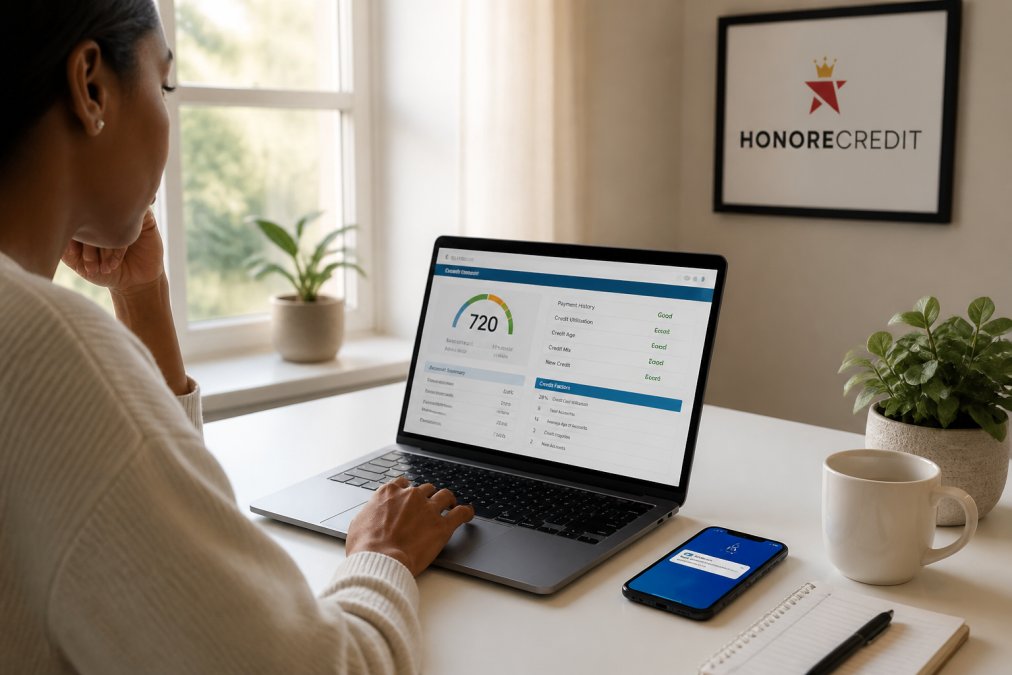
Credit monitoring tracks changes to your credit report and alerts you to new inquiries, opened accounts, and balance shifts, but it does not remove errors or raise scores. Speed matters because fraud caught in week one is a dispute; caught in month six, it has already affected your credit use and credit history.
Credit Repair vs Credit Monitoring: Which Delivers Faster Results?
Credit repair delivers faster results; credit monitoring delivers faster awareness. Credit repair disputes credit report inaccuracies with the bureaus; credit monitoring watches for new activity.
| Approach | What It Does | Typical Timeline | Best For |
|---|---|---|---|
| Credit monitoring | Alerts you to changes and possible fraud | Alerts within 24-48 hours | Early detection, peace of mind |
| Credit repair | Disputes errors and pushes for corrections | Weeks to months per dispute | Removing inaccuracies that lower scores |
| Both together | Detection plus correction | Ongoing | Anyone serious about their file |
Monitoring alone rarely moves a score, and repair alone leaves you blind to new problems. Running both is where most people see progress.
How to Increase Credit Score Fast With Disputing Credit Report Inaccuracies
The fastest legitimate path to a higher score is disputing credit report inaccuracies, since correcting wrong data can shift your profile quickly. Pull all three credit reports from AnnualCreditReport.com, highlight inaccurate items, gather documentation, file disputes with each bureau, track responses, and recheck after corrections post.
Dispute one category at a time rather than filing everything at once. Bundled disputes are harder for bureaus to process cleanly, and a partial rejection can stall the whole batch.
Dispute in writing and keep copies; a fraud alert or credit freeze stops new damage while you clean up old damage, and both are free.
Do not dispute accurate negative items. If a late payment is genuinely yours, a dispute will be rejected and the item stays. Disputing valid information can also flag your file for review.
DIY Monitoring vs Automated Services
Manual monitoring means checking reports on your own schedule; automated monitoring sends real-time notifications. DIY is free but monthly self-checks can miss fast-moving fraud; automated services catch changes within a day or two. For most people the answer is a hybrid: free weekly report access plus a monitoring service for alerts in between.
What You Get From Paid Services
Paid monitoring adds three things free tools lack: three-bureau coverage, identity theft protection, and remediation support, including score simulators. A monthly fee buys convenience and coverage, not a score increase. If your goal is a higher score, that money often does more good spent on repair work, for example, a structured program like The Credit Approval Plan that pairs monitoring with hands-on repair guidance.
When Monitoring Is Not Worth It
Monitoring is not worth it if your file is stable and you check your reports regularly, or if you expect it to fix errors. It is worth it after a data breach, before applying for a mortgage or auto loan, or if you have stopped checking your reports consistently.
Frequently Asked Questions
Does credit monitoring actually improve your credit score?
No. Credit monitoring tracks changes to your credit report and sends alerts about new inquiries, accounts, or suspicious activity. It does not remove inaccuracies or negotiate with creditors. To increase your score, you need to dispute errors, pay down balances, and correct reporting mistakes. Monitoring can support that process by catching problems early, but it is not a repair tool on its own.
What is the difference between credit monitoring and credit repair?
Credit monitoring is a watchful service: it alerts you to changes in your credit report across one or more bureaus. Credit repair is an action-oriented process: it involves disputing credit report inaccuracies, negotiating with creditors, and working to remove negative items that are wrong or unverifiable. Monitoring helps you detect issues; repair helps you fix them. For fast results, repair is the more direct path.
Can I get fast results on my credit score without paying for monitoring?
Yes. You can get free reports from AnnualCreditReport.com and dispute errors yourself. You can also pay down credit utilization, ask for goodwill adjustments on late payments, and become an authorized user on a healthy account. These steps often move scores faster than monitoring alone. Paid monitoring adds convenience and early warnings, but it is not required for improvement.
Cleaning up a credit report takes patience, and doing it alone often means waiting on bureaus that have no incentive to hurry. Honore Credit examines your reports line by line, identifies the inaccuracies worth disputing, and advocates for accurate representation of your profile. Our team pairs that work with ongoing credit monitoring and updates, so you are not guessing whether progress is happening. Get started with Honore Credit and build the credit profile your goals actually require.